Achieving your ideal body is a goal that many people aspire to, but it requires commitment, planning, and a positive mindset. Here are some essential steps to guide you on your journey to reaching your fitness goals.
1. Set Clear Goals Start by defining what “ideal body” means to you. Is it about losing weight, building muscle, or improving overall fitness? Set specific, measurable, achievable, relevant, and time-bound (SMART) goals. For example, aim to lose 10 pounds in three months or to run a 5K in under 30 minutes.
2. Create a Balanced Diet Plan Nutrition plays a crucial role in achieving your ideal body. Focus on a balanced diet that includes a variety of foods from all food groups. Incorporate plenty of fruits, vegetables, whole grains, lean proteins, and healthy fats. Consider consulting a nutritionist to create a personalized meal plan that aligns with your goals.
3. Stay Hydrated Drinking enough water is essential for overall health and well-being. Aim for at least eight glasses of water a day, or more if you’re active. Staying hydrated helps regulate your metabolism, supports digestion, and keeps your skin looking healthy.
4. Develop an Exercise Routine Regular physical activity is vital for reaching your fitness goals. Create a workout routine that includes a mix of cardiovascular exercises, strength training, and flexibility workouts. Aim for at least 150 minutes of moderate aerobic activity or 75 minutes of vigorous activity each week, along with muscle-strengthening activities on two or more days.
5. Monitor Your Progress Keep track of your progress to stay motivated and accountable. Use a journal or fitness app to log your workouts, meals, and any changes in body measurements. Regularly reviewing your progress can help you identify areas for improvement and celebrate your achievements.
6. Get Enough Sleep Never underestimate the power of a good night’s sleep. Aim for 7-9 hours of quality sleep each night to allow your body to recover and rejuvenate. Proper rest supports muscle growth, weight loss, and overall health.
7. Stay Consistent and Patient Achieving your ideal body takes time and consistency. Stay committed to your goals, even when progress seems slow. Remember that everyone’s journey is unique, and it’s essential to be patient with yourself.
8. Seek Support Surround yourself with a supportive network of friends, family, or fitness groups. Sharing your goals and progress with others can boost your motivation and keep you accountable. Consider working with a personal trainer for personalized guidance and encouragement.
9. Embrace a Positive Mindset Cultivating a positive mindset is crucial for long-term success. Focus on your achievements, no matter how small, and avoid negative self-talk. Practice self-compassion and remind yourself that setbacks are a part of the journey.
In conclusion, achieving your ideal body is a holistic process that involves setting clear goals, maintaining a balanced diet, staying active, and nurturing a positive mindset. By following these steps and remaining dedicated to your journey, you can reach your fitness aspirations and enjoy a healthier, happier life.
Human beings come in a remarkable variety of shapes, sizes, and skin colors. These differences are a result of numerous factors, including genetics, environment, and adaptation. Here are some key reasons why our bodies and skin colors vary.
1. Genetics The primary reason for physical differences among individuals is genetics. Each person inherits a unique combination of genes from their parents, which determines various traits such as height, body shape, and skin color. The diversity of genes within the human population contributes to the wide range of physical appearances.
2. Melanin Production Skin color is primarily determined by the amount of melanin produced by specialized skin cells called melanocytes. Melanin is a pigment that protects the skin from harmful ultraviolet (UV) radiation. People with darker skin have more melanin, which provides greater protection against UV rays, while those with lighter skin have less melanin.
3. Evolution and Adaptation Throughout history, humans have adapted to different environments. In regions with high UV radiation, such as near the equator, darker skin evolved to protect against sun damage. Conversely, in areas with lower UV radiation, lighter skin developed to allow for better absorption of sunlight, which is essential for vitamin D synthesis.
4. Environmental Factors Climate and geography also play a role in shaping our bodies. For example, people living in colder climates may have stockier bodies with shorter limbs to conserve heat, while those in warmer climates often have leaner builds to dissipate heat more effectively. Additionally, nutrition and lifestyle choices can influence body shape and size.
5. Cultural Influences Cultural factors can also impact how we perceive and express our physical differences. Different cultures may have varying standards of beauty, which can influence body image and personal choices regarding fitness, diet, and grooming. These cultural influences contribute to the diversity of body types and appearances.
6. Health and Lifestyle Individual health and lifestyle choices significantly affect our bodies. Factors such as diet, exercise, and overall health can lead to variations in body composition and shape. For instance, a sedentary lifestyle may lead to weight gain, while regular physical activity can promote a healthier body.
In conclusion, the differences in our bodies and skin colors arise from a complex interplay of genetics, melanin production, evolution, environmental factors, cultural influences, and lifestyle choices. Embracing these differences is essential for celebrating the diversity of humanity and understanding the rich tapestry of human existence.
Learning a new skill or subject can sometimes feel overwhelming, but with the right approach, it can become a more enjoyable and effective process. Here are some steps to help you learn anything easily.
1. Set Clear Goals Begin by defining what you want to learn. Be specific about your objectives. For example, instead of saying “I want to learn guitar,” specify “I want to play three songs on the guitar within a month.” Clear goals will give you direction and motivation.
2. Break It Down Divide the learning material into smaller, manageable chunks. This makes it less intimidating and easier to digest. For example, if you are learning a new language, focus on mastering a few words or phrases each day instead of trying to learn everything at once.
3. Use Multiple Resources Explore various resources to enhance your learning experience. Books, online courses, videos, podcasts, and interactive apps can provide different perspectives and methods. Mixing resources keeps the learning process engaging and helps reinforce what you’ve learned.
4. Practice Regularly Consistency is key to learning anything. Set aside dedicated time each day or week to practice what you are learning. Whether it’s writing, coding, or playing an instrument, regular practice helps reinforce your skills and improves retention.
5. Teach What You Learn One of the best ways to solidify your understanding of a topic is to teach it to someone else. Explaining concepts in your own words helps you internalize the information and identify any gaps in your knowledge.
6. Stay Curious and Ask Questions Maintain a curious mindset. Don’t hesitate to ask questions, whether to a teacher, a friend, or through online forums. Seeking clarification on confusing topics will deepen your understanding and keep you engaged.
7. Embrace Mistakes Don’t be afraid to make mistakes; they are a part of the learning process. Analyze what went wrong and use it as an opportunity to improve. Embracing mistakes fosters resilience and encourages a growth mindset.
8. Review and Reflect Periodically review what you have learned to reinforce your memory. Take time to reflect on your progress and identify areas where you need more practice or understanding. Reviewing helps consolidate information in your long-term memory.
In conclusion, learning anything can be made easier by setting clear goals, breaking down the material, using various resources, practicing regularly, teaching others, staying curious, embracing mistakes, and reflecting on your progress. With dedication and the right strategies, you can master new skills and knowledge more effectively.
Time management is an essential skill that can help you increase productivity, reduce stress, and achieve your goals. Here are some practical steps to organize your time effectively.
1. Set Clear Goals Start by defining your short-term and long-term goals. Having clear objectives will give you direction and help you prioritize your tasks. Use the SMART criteria: Specific, Measurable, Achievable, Relevant, and Time-bound to set your goals.
2. Prioritize Your Tasks Once you have your goals in place, create a list of tasks needed to achieve them. Use a prioritization method, such as the Eisenhower Matrix, to categorize tasks into four quadrants: urgent and important, important but not urgent, urgent but not important, and neither urgent nor important. Focus on tasks that are both urgent and important first.
3. Create a Schedule Develop a daily or weekly schedule that allocates specific time blocks for each task. Use tools like calendars or planner apps to keep track of your commitments. Be realistic about how much time each task will take and avoid overloading your schedule.
4. Set Time Limits Assign time limits for each task to maintain focus and prevent procrastination. Use techniques like the Pomodoro Technique, which involves working for 25 minutes and then taking a 5-minute break. This method helps maintain productivity while reducing fatigue.
5. Minimize Distractions Identify common distractions in your environment and find ways to minimize them. Turn off notifications on your phone, create a designated workspace, and set boundaries with others during your work time. A focused environment can significantly enhance your productivity.
6. Review and Adjust At the end of each week, take time to review your progress. Assess what worked well and what didn’t. Be flexible and willing to adjust your schedule and strategies as needed. Continuous improvement is key to effective time management.
7. Take Breaks and Rest Don’t forget to schedule regular breaks to recharge your mind and body. Adequate rest is crucial for maintaining productivity and preventing burnout. Make sure to include time for relaxation and self-care in your schedule.
8. Use Technology Wisely Leverage technology to help you stay organized. Use apps for task management, calendar scheduling, and reminders. However, be cautious not to let technology become a distraction.
In conclusion, organizing your time effectively requires planning, prioritization, and self-discipline. By setting clear goals, creating a schedule, and minimizing distractions, you can make the most of your time and achieve your objectives. Remember that time management is a skill that takes practice, so be patient with yourself as you work to improve.
The human eye is a complex and fascinating organ that plays a crucial role in our ability to perceive the world around us. Understanding the structure of the eye can provide insights into how vision works and the importance of eye health. This article will explore the various components of the eye, their functions, and some common eye conditions.
1. Introduction to the Eye The eye is often referred to as the “window to the soul,” but its primary function is to convert light into signals that the brain can understand. It is composed of several parts, each with a specific role in the process of vision.
2. Main Components of the Eye
– Cornea: The clear, dome-shaped front surface of the eye that helps focus light. It provides most of the eye’s optical power.
– Iris: The colored part of the eye that controls the size of the pupil and, consequently, the amount of light that enters the eye.
– Pupil: The opening in the center of the iris that adjusts in size to regulate light intake.
– Lens: Located behind the iris and pupil, the lens further focuses light onto the retina. It changes shape to help focus on objects at different distances.
– Retina: A layer of light-sensitive cells at the back of the eye that converts light into electrical signals. It contains two types of photoreceptor cells: rods (for low-light vision) and cones (for color vision).
– Optic Nerve: Transmits visual information from the retina to the brain, where the signals are interpreted as images.
3. Additional Structures
– Sclera: The white outer layer of the eyeball that provides protection and structure.
– Choroid: A layer of blood vessels between the retina and sclera that supplies nutrients to the eye.
– Vitreous Humor: The gel-like substance that fills the space between the lens and the retina, helping maintain the eye’s shape.
4. How Vision Works When light enters the eye, it passes through the cornea, pupil, and lens, which focus it onto the retina. The photoreceptors in the retina convert the light into electrical signals, which are sent via the optic nerve to the brain. The brain processes these signals to create the images we see.
5. Common Eye Conditions Several conditions can affect the eye’s structure and function, including:
– Myopia (Nearsightedness): Difficulty seeing distant objects clearly. – Hyperopia (Farsightedness): Difficulty seeing close objects clearly. – Astigmatism: Distorted vision due to an irregularly shaped cornea or lens. – Cataracts: Clouding of the lens that can lead to vision impairment. – Glaucoma: Increased pressure in the eye that can damage the optic nerve.
6. Conclusion The human eye is a remarkable organ that allows us to experience the world visually. Understanding its anatomy and functions can help us appreciate the importance of eye health and the need for regular check-ups.
7. References – Kanski, J. J., & Bowling, B. (2011). Clinical Ophthalmology: A Systematic Approach. Butterworth-Heinemann. – Adler, F. H., & Adler, M. (2010). Physiology of the Eye. Springer. – Ryan, S. J., & Schachat, A. P. (2014). Retina. Elsevier Health Sciences.
By understanding the anatomy of the eye, we can better appreciate its functionality and the importance of maintaining eye health. Regular eye examinations and protective measures can help preserve our vision for years to come.
### Understanding Nail Composition: A Step-by-Step Guide
Nails are an important part of our body, providing protection, enhancing our appearance, and even serving functional purposes. Understanding what nails are made of can help us take better care of them. Here’s a step-by-step exploration of the composition of nails.
#### Step 1: The Basic Structure of Nails
Nails are primarily composed of a protein called keratin, the same protein that makes up hair and the outer layer of skin. Keratin is a fibrous protein that provides strength and resilience to nails. Each nail consists of several key components:
1. **Nail Plate**: The visible part of the nail is called the nail plate. It is a hard, protective layer made of tightly packed keratinized cells. The nail plate is translucent, allowing the underlying nail bed to show through.
2. **Nail Bed**: The nail bed is the skin beneath the nail plate. It contains blood vessels and nerves, providing nourishment and sensation to the nail. The health of the nail bed is crucial for maintaining healthy nails.
3. **Nail Matrix**: The nail matrix is located beneath the base of the nail, where new nail cells are produced. This area is responsible for nail growth. As new cells are created, older cells are pushed out to form the nail plate.
4. **Cuticle**: The cuticle is the thin layer of skin that overlaps the base of the nail. It acts as a protective barrier, preventing bacteria and dirt from entering the nail matrix.
5. **Lunula**: The lunula is the visible, pale crescent-shaped area at the base of the nail. It represents the part of the nail matrix that is visible and is often more prominent in some individuals than others.
#### Step 2: The Role of Keratin in Nail Health
Keratin plays a vital role in the strength and health of nails. The structure of keratin in nails is different from that in hair; it is more compact and rigid, making nails tougher. Proper nutrition, including vitamins and minerals, supports keratin production and overall nail health.
#### Step 3: Factors Influencing Nail Growth
Nail growth can be influenced by various factors, including:
– **Genetics**: Some individuals naturally have faster-growing nails than others. – **Age**: Nails tend to grow more slowly as we age. – **Health**: Conditions such as hormonal changes, nutritional deficiencies, and certain medical disorders can affect nail growth and appearance.
#### Step 4: Nail Care and Maintenance
To maintain healthy nails, consider the following care tips:
1. **Moisturize**: Keep nails and cuticles hydrated to prevent brittleness. 2. **Protect**: Wear gloves when doing household chores or using harsh chemicals. 3. **Trim Regularly**: Regular trimming helps prevent breaks and splits. 4. **Eat a Balanced Diet**: Include foods rich in vitamins and minerals, such as biotin, zinc, and protein, to support nail health.
#### Conclusion
Understanding the composition of nails and how they grow is essential for maintaining their health and appearance. By recognizing the role of keratin, the different parts of the nail, and the factors that influence growth, individuals can adopt better care practices. Healthy nails not only enhance our overall look but also reflect our overall well-being.
"Beauty is not in the face; beauty is a light in the heart." - Kahlil Gibran

This quote emphasizes that true beauty comes from within, aligning with the idea that healthy nails and self-care reflect our overall well-being.
### Understanding Hair Composition: A Step-by-Step Guide
Hair is a fascinating and complex structure that plays a significant role in our appearance and identity. Understanding what hair is made of can provide insights into its health and care. Here’s a step-by-step breakdown of the composition of hair.
#### Step 1: The Basic Structure of Hair
Hair is primarily composed of a protein called keratin, which is also found in nails and the outer layer of skin. Keratin is a fibrous structural protein that provides strength and resilience to hair strands. Each hair strand is made up of three main layers:
1. **Cuticle**: The outermost layer consists of overlapping, scale-like cells that protect the inner layers. The cuticle acts as a barrier to environmental damage and helps to retain moisture.
2. **Cortex**: Beneath the cuticle lies the cortex, which makes up the bulk of the hair shaft. The cortex contains long chains of keratin and is responsible for the hair’s strength, color, and texture. The arrangement of these keratin fibers can vary, affecting the hair’s overall characteristics.
3. **Medulla**: The innermost layer, the medulla, is not always present in every hair type. It consists of loosely packed cells and air spaces. The medulla’s function is not entirely understood, but it may play a role in the hair’s structure and flexibility.
#### Step 2: The Role of Melanin in Hair Color
Hair color is determined by the presence of melanin, a pigment produced by specialized cells called melanocytes located in the hair follicles. There are two types of melanin:
– **Eumelanin**: This is the most common type of melanin and comes in two varieties: black and brown. The amount and ratio of eumelanin determine the darkness of the hair.
– **Pheomelanin**: This pigment is responsible for red and yellow hues. People with lighter hair often have a higher concentration of pheomelanin.
The combination of these pigments results in a wide range of hair colors, from blonde to black and everything in between.
#### Step 3: The Hair Follicle
Hair grows from a tiny structure called the hair follicle, which is located beneath the skin’s surface. Each follicle contains a bulb that houses living cells that divide and grow to form the hair shaft. The hair follicle is also connected to sebaceous glands, which produce oil (sebum) to keep the hair moisturized and protected.
#### Step 4: The Hair Growth Cycle
Hair undergoes a continuous growth cycle, which consists of three main phases:
1. **Anagen Phase**: This is the active growth phase, during which hair grows continuously. It can last for several years, depending on genetics and individual factors.
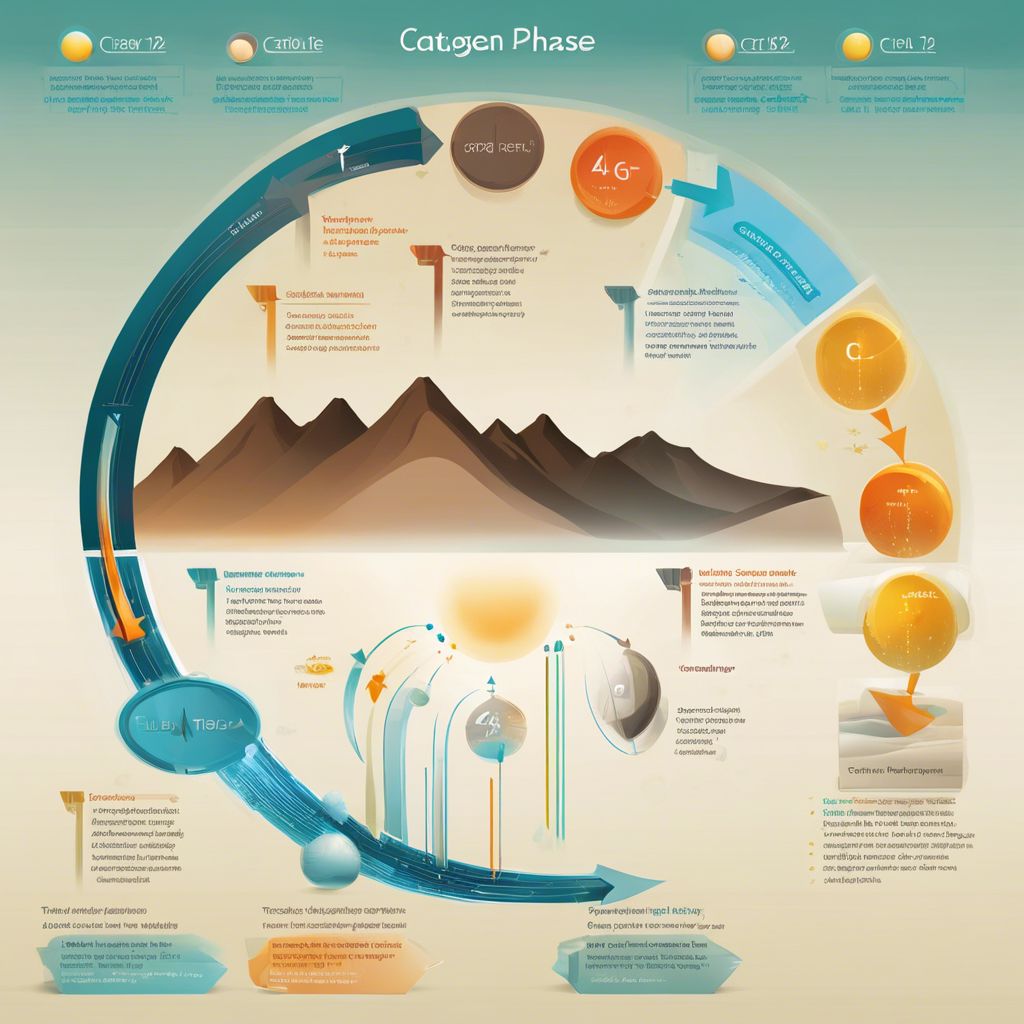
2. **Catagen Phase**: This transitional phase lasts a few weeks, during which hair growth slows, and the hair follicle shrinks.
3. **Telogen Phase**: In this resting phase, the hair is not actively growing, and it eventually falls out, making way for new hair to grow in the follicle.
#### Conclusion
Understanding the composition of hair and its growth process is essential for maintaining healthy hair. By recognizing the role of keratin, melanin, and the hair follicle, individuals can make informed choices about hair care products and practices. Whether you’re looking to enhance your hair’s appearance or simply want to learn more about it, knowing what makes up your hair can lead to better care and healthier strands.
"Just as every strand of hair is unique, so too is the journey of self-discovery and care we embark on."
### How to Maintain Healthy Lungs: A Step-by-Step Guide
Our lungs play a crucial role in our overall health, providing oxygen to the body and removing carbon dioxide. Maintaining lung health is essential for a better quality of life. Here are some effective steps to keep your lungs healthy.
#### Step 1: Avoid Smoking and Secondhand Smoke
One of the most significant steps to protect your lungs is to avoid smoking and exposure to secondhand smoke. Smoking damages lung tissue, reduces lung function, and increases the risk of chronic diseases such as lung cancer and chronic obstructive pulmonary disease (COPD). If you smoke, seek support to quit, and avoid environments where others are smoking.
#### Step 2: Practice Good Hygiene
Good hygiene practices can help prevent respiratory infections, which can negatively impact lung health. Wash your hands regularly, especially during cold and flu seasons. Avoid close contact with people who are sick and ensure that you are up to date on vaccinations, such as the flu vaccine and pneumonia vaccine.
#### Step 3: Exercise Regularly
Regular physical activity strengthens the lungs and improves overall respiratory function. Aim for at least 150 minutes of moderate aerobic activity each week, such as walking, swimming, or cycling. Incorporating breathing exercises, like deep breathing or yoga, can also enhance lung capacity and efficiency.
#### Step 4: Maintain a Healthy Diet
A balanced diet rich in fruits, vegetables, whole grains, and lean proteins can support lung health. Foods high in antioxidants, such as berries, leafy greens, and nuts, help combat oxidative stress in the body. Omega-3 fatty acids found in fish can also reduce inflammation and promote lung function.
#### Step 5: Stay Hydrated
Drinking enough water is vital for overall health, including lung health. Proper hydration helps thin mucus in the lungs, making it easier to breathe and reducing the risk of infections. Aim to drink at least 8 glasses of water a day, or more if you are physically active or live in a dry climate.
#### Step 6: Limit Exposure to Pollutants
Air quality can significantly affect lung health. Limit exposure to outdoor air pollution by staying indoors on days with poor air quality and using air purifiers in your home. Indoors, avoid exposure to harmful substances such as mold, dust, and chemicals from cleaning products. Opt for natural cleaning products when possible.
#### Step 7: Get Regular Check-ups
Regular medical check-ups are essential for monitoring lung health, especially if you have a history of respiratory issues or other health conditions. Your healthcare provider can perform lung function tests, recommend screenings, and provide guidance on maintaining healthy lungs.
#### Conclusion
Maintaining healthy lungs is crucial for overall well-being. By following these steps—avoiding smoking, exercising, eating a balanced diet, staying hydrated, limiting exposure to pollutants, and getting regular check-ups—you can significantly improve your lung health and enjoy a better quality of life. Remember, taking proactive measures today can lead to healthier lungs tomorrow.
Perfume is a complex and fascinating product that combines art and science to create captivating scents. The process of making perfume involves several key steps, each contributing to the final fragrance. Here’s a detailed breakdown of how perfume is made.
#### Step 1: Sourcing Ingredients
The first step in creating a perfume is sourcing high-quality ingredients. Perfume ingredients can be derived from natural sources, such as flowers, fruits, spices, and woods, or they can be synthetic compounds created in laboratories. Common natural ingredients include roses, jasmine, vanilla, and sandalwood, while synthetic ingredients can mimic these scents or create entirely new fragrances.
#### Step 2: Extracting Fragrance Oils
Once the ingredients are sourced, the next step is to extract the essential oils or fragrance oils from them. There are several methods for extraction:
– **Steam Distillation**: This is the most common method for extracting essential oils from plants. Steam passed through the plant material vaporizes the volatile compounds, which are then condensed back into liquid form. – **Cold Pressing**: This method is often used for citrus fruits. The peels are mechanically pressed to release the essential oils. – **Solvent Extraction**: For delicate flowers that cannot withstand high heat, solvents are used to dissolve the fragrant compounds, which are then separated from the solvent.
#### Step 3: Creating the Perfume Formula
With the fragrance oils in hand, perfumers (also known as “noses”) begin to create the perfume formula. This involves blending various oils in specific proportions to achieve the desired scent profile. The formula typically consists of three layers:
– **Top Notes**: These are the initial scents that are perceived when the perfume is first applied. They are usually light and evaporate quickly, such as citrus or herbal scents. – **Middle Notes**: Also known as heart notes, these scents emerge after the top notes dissipate. They provide the core of the fragrance and often include floral or fruity elements. – **Base Notes**: These scents provide depth and longevity to the perfume. They are typically rich and heavy, such as amber, musk, or sandalwood.
#### Step 4: Aging the Perfume
After the formula is created, the perfume mixture is aged for a period, typically ranging from a few weeks to several months. Aging allows the different components to meld together, enhancing the overall scent and complexity of the fragrance.
#### Step 5: Diluting with Alcohol
Once the aging process is complete, the concentrated perfume oil is diluted with alcohol. The alcohol serves as a carrier, helping to disperse the scent when the perfume is applied. The concentration of perfume oil to alcohol determines the type of fragrance (e.g., perfume, eau de parfum, eau de toilette).
#### Step 6: Filtering and Bottling
Before bottling, the perfume is filtered to remove any impurities or sediments. Once purified, the fragrance is carefully bottled in containers designed to protect it from light and air, which can degrade the scent over time.
#### Step 7: Quality Control and Testing
The final step involves quality control and testing. Perfume houses conduct extensive testing to ensure the fragrance meets quality standards and remains consistent. This includes assessing the scent’s longevity, projection, and overall appeal.
### Conclusion
The art of perfume-making is a meticulous process that combines natural ingredients and scientific techniques. From sourcing raw materials to bottling the final product, each step is vital in creating a fragrance that can evoke emotions and memories, making perfume a unique form of personal expression.
### How to Maintain Healthy Skin: Step-by-Step Guide
Healthy skin is not only a reflection of good health but also a key aspect of personal care. Here’s a step-by-step guide to help you maintain your skin in optimal condition.
#### Step 1: Cleanse Daily Begin your daily skincare routine with a gentle cleanser suitable for your skin type. Cleansing removes dirt, oil, and makeup, preventing clogged pores and breakouts. Aim to cleanse your face twice a day—once in the morning and once before bed.
#### Step 2: Exfoliate Regularly Exfoliation helps to remove dead skin cells, promoting cell turnover and revealing fresh skin underneath. Use a mild exfoliant 1-2 times a week. Be careful not to over-exfoliate, as this can irritate your skin and lead to dryness.
#### Step 3: Moisturize Regardless of your skin type, moisturizing is essential. Choose a moisturizer that suits your skin’s needs—lightweight gels for oily skin and richer creams for dry skin. Apply moisturizer after cleansing and exfoliating to lock in hydration.
#### Step 4: Protect from the Sun Sun exposure can cause premature aging and skin damage. Always apply a broad-spectrum sunscreen with at least SPF 30 before going outdoors, even on cloudy days. Reapply every two hours if you’re spending extended time outside.
#### Step 5: Stay Hydrated Drinking plenty of water throughout the day helps to keep your skin hydrated from the inside out. Aim for at least 8 glasses of water daily, and consider incorporating fruits and vegetables with high water content into your diet.
#### Step 6: Maintain a Balanced Diet A healthy diet rich in vitamins and minerals can enhance your skin’s appearance. Incorporate foods high in antioxidants, such as berries, nuts, and leafy greens, as well as omega-3 fatty acids found in fish and flaxseeds.
#### Step 7: Avoid Smoking and Limit Alcohol Smoking and excessive alcohol consumption can lead to dull skin and accelerate the aging process. Quitting smoking and moderating alcohol intake can significantly improve your skin’s tone and texture.
#### Step 8: Get Enough Sleep Quality sleep is crucial for skin repair and regeneration. Aim for 7-9 hours of sleep each night. Consider establishing a bedtime routine to help you relax and improve your sleep quality.
#### Step 9: Manage Stress Chronic stress can impact your skin health, leading to issues like acne and eczema. Engage in stress-reduction techniques such as yoga, meditation, or deep-breathing exercises to promote a healthier mind and body.
#### Step 10: Consult a Dermatologist If you have specific skin concerns or conditions, consider seeking professional advice from a dermatologist. They can provide personalized recommendations and treatments to help you achieve your skin goals.
### Conclusion Maintaining healthy skin requires consistent care and a holistic approach. By following these steps, you can improve your skin’s appearance and health, boosting your confidence and overall well-being. Remember, healthy skin is a lifelong commitment!






 What is Under my Skin