Title: How Motorcycles are Made: A Step-by-Step Guide
Introduction
Motorcycles are a popular mode of transportation and recreation, known for their speed and agility. The process of manufacturing motorcycles involves a combination of engineering, design, and precision craftsmanship. This article will outline the steps involved in making motorcycles, from raw materials to the finished product.
1. Materials Used
The primary materials used in motorcycle manufacturing include:
a. Frame Materials
Motorcycles are typically built using steel or aluminum for the frame, with some high-performance models utilizing carbon fiber or titanium for weight reduction.
b. Engine Components
The engine is made up of various components, including cast iron and aluminum parts, which are designed to withstand high temperatures and pressures.
c. Other Components
Additional parts include wheels, tires, brakes, electrical systems, and body panels, usually made from a mix of metals, plastics, and rubber.
2. Production Process
The process of making a motorcycle involves several key steps:
a. Designing the Motorcycle
The first step is designing the motorcycle. Engineers and designers create detailed blueprints that outline the specifications, performance characteristics, and aesthetics. Advanced computer-aided design (CAD) software is often used for this purpose.
b. Fabricating the Frame
Once the design is finalized, the frame is fabricated. This involves cutting and shaping the chosen material into the necessary components, which are then welded or assembled to create the motorcycle’s frame. Quality control is essential during this phase to ensure structural integrity.
c. Manufacturing the Engine
The engine is assembled separately, starting with the production of individual components such as the crankcase, cylinders, and pistons. These parts are machined to precise specifications and then assembled to create a complete engine.
d. Assembling Components
After the frame and engine are complete, various components are installed. This includes attaching the engine to the frame, installing the wheels, brakes, suspension, and electrical systems. Each part is carefully aligned and secured to ensure optimal performance and safety.
e. Finishing Touches
Once the motorcycle is fully assembled, it undergoes a series of finishing touches. This includes painting, applying decals, and adding protective coatings to enhance durability and aesthetics.
f. Quality Testing
Before the motorcycle is released for sale, it undergoes rigorous quality testing. This includes checking the engine performance, braking system, and overall structural integrity. Motorcycles that pass these tests are then packaged and prepared for distribution.
3. Sustainability Considerations
Many motorcycle manufacturers are increasingly focusing on sustainability practices. This includes using recycled materials, reducing waste during production, and designing motorcycles that are fuel-efficient and environmentally friendly.
Conclusion
The process of making motorcycles combines advanced engineering, design innovation, and skilled craftsmanship. Understanding how motorcycles are produced highlights the complexity of their construction and their significance as a popular and efficient mode of transportation.
Sources
1. “Motorcycle Basics Techbook” by Matthew Coombs
2. “The Essential Guide to Motorcycle Maintenance” by Mark Zimmerman
3. “Motorcycle Engineering: A Comprehensive Guide” by John D. McMullen
4. Industry reports from the Motorcycle Industry Council (MIC)
“The Art and Science of Bicycle Manufacturing: A Comprehensive Guide”
Title: How Bicycles are Made: A Step-by-Step Guide
Introduction
Bicycles are an eco-friendly mode of transportation enjoyed by millions around the world. Understanding how bicycles are made can provide insight into the craftsmanship and technology that goes into creating these efficient machines. This article will outline the step-by-step process of bicycle manufacturing, from raw materials to the final product.
1. Materials Used
The primary materials used in bicycle manufacturing include:
a. Frame Materials
The frame is typically made of steel, aluminum, carbon fiber, or titanium. Each material has its advantages in terms of weight, strength, and cost.
b. Components
Various components are required for a complete bicycle, including wheels, tires, brakes, gears, and handlebars. These parts are often made from a combination of metals, plastics, and rubber.
2. Production Process
The process of making a bicycle involves several key steps:
a. Designing the Bicycle
The first step in bicycle manufacturing is designing the bike. Engineers and designers create blueprints that outline the specifications, geometry, and aesthetics of the bicycle. Computer-aided design (CAD) software is commonly used to visualize the design.
b. Fabricating the Frame
Once the design is finalized, the frame is fabricated. This involves cutting and shaping the chosen material into tubes, which are then welded or bonded together to form the frame. Quality control checks are performed to ensure the frame meets safety and performance standards.
c. Assembling Components
After the frame is complete, various components are assembled onto it. This includes installing the wheels, brakes, gears, and handlebars. Each component is carefully aligned and secured to ensure optimal performance.
d. Finishing Touches
Once the bicycle is assembled, it undergoes a series of finishing touches. This may include painting or adding decals to enhance its appearance. Protective coatings may also be applied to prevent rust and wear.
e. Quality Testing
Before the bicycle is ready for sale, it undergoes rigorous quality testing. This includes checking the brakes, gears, and overall structural integrity. Bicycles that pass these tests are packaged and prepared for distribution.
3. Sustainability Considerations
Many bicycle manufacturers are increasingly focusing on sustainability. This includes using recycled materials, minimizing waste during production, and producing bikes that are designed for longevity. Additionally, bicycles offer an environmentally friendly alternative to motor vehicles, contributing to reduced carbon emissions.
Conclusion
The process of making bicycles combines engineering, design, and craftsmanship. Understanding how bicycles are made not only highlights the complexity of their construction but also underscores their importance as a sustainable mode of transportation.
Sources
1. “Bicycle Design: An Illustrated History” by Tony Hadland
2. “The Complete Bicycle Manual” by David Hembrow
3. “Bicycle Manufacturing: A Comprehensive Guide” by James S. Hargreaves
4. Industry reports from the Bicycle Product Suppliers Association (BPSA)
“The Lifespan of Animals: Exploring Ages Across Species”
Title: Lifespan of Animals: Understanding Animal Ages
Introduction
The lifespan of animals varies significantly across species, influenced by factors such as genetics, environment, and lifestyle. Understanding the average lifespan of various animals helps us appreciate the diversity of life on Earth and the different adaptations that contribute to longevity. This article will explore the lifespans of various animals, highlighting key factors that influence their age.
1. Factors Influencing Lifespan
Several factors contribute to the lifespan of animals, including:
a. Species
Different species have evolved unique characteristics that affect their longevity. For example, larger animals tend to live longer than smaller ones, although there are exceptions.
b. Environment
The environment in which an animal lives can significantly impact its lifespan. Animals in the wild may face more threats, such as predators and disease, while those in captivity often live longer due to better care and absence of natural threats.
c. Genetics
Genetics play a crucial role in determining an animal’s lifespan. Some species have inherent traits that allow them to live longer, while others may be more prone to health issues.
d. Diet and Lifestyle
An animal’s diet and lifestyle choices also affect its longevity. Animals that maintain a healthy diet and engage in regular physical activity are likely to live longer than those that do not.
2. Average Lifespan of Various Animals
Here are some examples of the average lifespans of different animals:
a. Mammals
– Domestic Cat: 12-15 years
– Dog: 10-13 years (varies by breed)
– Elephant: 60-70 years
– Human: 70-80 years
b. Birds
– Parrot: 20-50 years, depending on species
– Canary: 10-15 years
– Crow: 10-15 years
c. Reptiles
– Tortoise: 50-100 years, with some species living over 150 years
– Iguana: 15-20 years
d. Fish
– Goldfish: 10-15 years
– Koi: 20-200 years, depending on care and environment
3. Longevity Records
Some animals are known for their exceptional lifespans:
a. Bowhead Whale
The bowhead whale is believed to live over 200 years, making it one of the longest-living mammals.
b. Greenland Shark
Recent studies suggest that the Greenland shark can live for over 400 years, with some individuals estimated to be around 500 years old.
c. Tortoises
The Aldabra giant tortoise and the Galápagos tortoise can live well over 100 years, with some recorded at 175 years.
Conclusion
Understanding the lifespans of animals provides valuable insight into their biology and the factors that influence their longevity. While many animals have evolved to live relatively short lives, others have developed remarkable adaptations that allow them to live for many decades, even centuries.
Sources
1. “Animal Lifespans: A Global Perspective” by Harold R. McGowan
2. “The Encyclopedia of Animal Lifespans” by David MacDonald
3. “Lifespan of Animals: A Comprehensive Study” by Richard A. Lutz
4. National Geographic’s Animal Lifespan Database
“Making Ice Cream: A Simple Guide to Creating Your Favorite Treat”
Title: How Ice Cream is Made: A Step-by-Step Guide
Introduction
Ice cream is a beloved frozen dessert enjoyed by people of all ages around the world. Its creamy texture and delightful flavors make it a favorite treat, especially during warm weather. This article will explore the process of making ice cream, detailing the ingredients, equipment, and steps involved.
1. Ingredients
The basic ingredients for making ice cream include:
a. Dairy Base
The primary component of ice cream is the dairy base, which typically consists of milk and cream. This combination provides the rich and creamy texture that ice cream is known for.
b. Sweeteners
Sugar is the most common sweetener used in ice cream. Other sweeteners, such as honey, agave syrup, or artificial sweeteners, can also be used to achieve the desired sweetness.
c. Flavorings
Flavorings are essential for creating the different varieties of ice cream. Common flavorings include vanilla extract, cocoa powder, fruit purees, and various other extracts.
d. Stabilizers and Emulsifiers
Stabilizers, such as guar gum or carrageenan, help maintain the smooth texture of ice cream by preventing ice crystals from forming. Emulsifiers, like egg yolks, help blend the fat and water components of the mixture, improving its consistency.
2. Equipment
To make ice cream at home, you will need:
a. Mixing Bowl
A large mixing bowl is necessary for combining the ingredients.
b. Whisk or Electric Mixer
A whisk or electric mixer is used to blend the ingredients together thoroughly.
c. Ice Cream Maker
An ice cream maker is a specialized machine that churns the mixture while freezing it, creating the desired texture. If you don’t have an ice cream maker, you can use a freezer-safe container and a fork to manually mix the ice cream.
3. Steps to Make Ice Cream
The process of making ice cream involves several key steps:
a. Prepare the Dairy Base
In a mixing bowl, combine milk and cream in equal parts. The ratio can vary depending on the desired richness of the ice cream. Add the sweetener and mix until dissolved.
b. Add Flavorings
Incorporate your chosen flavorings into the dairy base. For example, add vanilla extract for classic vanilla ice cream or cocoa powder for chocolate ice cream. Mix well to ensure an even distribution of flavor.
c. Churn the Mixture
Pour the mixture into the ice cream maker and churn according to the manufacturer’s instructions. Churning incorporates air into the mixture, creating a light and fluffy texture. This process typically takes about 20-30 minutes.
d. Freeze the Ice Cream
Once the ice cream reaches a soft-serve consistency, transfer it to a freezer-safe container. Smooth the top and cover it tightly. Place it in the freezer for at least 4-6 hours to allow it to harden further.
e. Serve and Enjoy
After the ice cream has fully frozen, it is ready to be served. Scoop the ice cream into bowls or cones and enjoy your homemade treat!
Conclusion
Making ice cream is a fun and rewarding process that allows for endless creativity with flavors and ingredients. By following these simple steps, anyone can create their own delicious ice cream at home.
Sources
1. “The Science of Ice Cream” by Chris O’Leary
2. “Ice Cream: The Whole Scoop” by Gail Damerow
3. “Jeni’s Splendid Ice Creams at Home” by Jeni Britton Bauer
4. “The Perfect Scoop” by David Lebovitz
“The Anatomy of the Leg: Structure, Components, and Functions”
Title: Anatomy of the Leg: Components and Structure
Introduction
The human leg is an intricate and essential structure that plays a vital role in movement and support. It consists of various components, including bones, muscles, tendons, ligaments, and nerves. This article will explore the anatomy of the leg, detailing its structure and the functions of its components.
1. Bones of the Leg
The leg is primarily composed of four major bones: the femur, patella, tibia, and fibula.
a. Femur
The femur, or thigh bone, is the longest and strongest bone in the body. It connects the hip joint to the knee joint and serves as a critical support for weight-bearing activities.
b. Patella
The patella, commonly known as the kneecap, is a small, triangular bone located at the front of the knee joint. It protects the knee and enhances the leverage of the thigh muscles during movement.
c. Tibia
The tibia, or shinbone, is the larger and stronger of the two bones in the lower leg. It bears most of the body’s weight and connects the knee to the ankle.
d. Fibula
The fibula is the smaller bone located alongside the tibia. While it does not bear significant weight, it provides stability to the ankle and serves as an attachment point for muscles.
2. Muscles of the Leg
The muscles of the leg can be divided into several groups, each responsible for different movements.
a. Quadriceps
The quadriceps muscle group is located at the front of the thigh and is responsible for extending the knee. It consists of four muscles: rectus femoris, vastus lateralis, vastus medialis, and vastus intermedius.
b. Hamstrings
The hamstrings are located at the back of the thigh and are responsible for flexing the knee and extending the hip. This group includes three muscles: biceps femoris, semitendinosus, and semimembranosus.
c. Calf Muscles
The calf muscles, located at the back of the lower leg, include the gastrocnemius and soleus. These muscles are responsible for plantar flexion of the foot, allowing for movements such as standing on tiptoes and pushing off during walking or running.
3. Tendons and Ligaments
Tendons connect muscles to bones, allowing for movement, while ligaments connect bones to other bones, providing stability to the joints.
a. Achilles Tendon
The Achilles tendon is a strong tendon that connects the calf muscles to the heel bone (calcaneus). It is crucial for walking, running, and jumping.
b. Ligaments
The leg contains several important ligaments that stabilize the knee and ankle joints, including the anterior cruciate ligament (ACL) and the posterior cruciate ligament (PCL) in the knee, as well as the ligaments surrounding the ankle joint.
4. Nerves of the Leg
The leg is innervated by several major nerves, which are responsible for both sensation and motor control.
a. Sciatic Nerve
The sciatic nerve is the largest nerve in the body, running from the lower back down to the foot. It is responsible for the motor and sensory functions of the lower leg and foot.
b. Femoral Nerve
The femoral nerve innervates the quadriceps muscle and provides sensation to the front of the thigh and the inner side of the leg.
c. Tibial and Common Peroneal Nerves
These nerves branch from the sciatic nerve and innervate the calf muscles, providing control over foot movement and sensation in the lower leg.
Conclusion
The leg is a highly specialized structure comprised of bones, muscles, tendons, ligaments, and nerves that work together to enable movement and support the body. Understanding the anatomy of the leg highlights its complexity and the importance of its components in everyday activities.
Sources
1. Gray’s Anatomy for Students
2. Human Anatomy and Physiology by Elaine N. Marieb
3. Netter’s Atlas of Human Anatomy
4. American Academy of Orthopaedic Surgeons

“The Anatomy of the Hand: Structure, Components, and Functions”
Title: Anatomy of the Hand: Components and Structure
Introduction
The human hand is a remarkable and complex structure that plays a vital role in our daily activities. Composed of bones, muscles, tendons, ligaments, and nerves, the hand is designed for a wide range of movements and functions. This article will explore the various components of the hand and their significance in human anatomy.
1. Bones of the Hand
The hand consists of 27 bones, categorized into three main groups: the carpals, metacarpals, and phalanges.
a. Carpals
The carpal bones are eight small bones that make up the wrist. They are arranged in two rows and are responsible for the wrist’s flexibility and stability. The carpal bones include:
– Scaphoid
– Lunate
– Triquetrum
– Pisiform
– Trapezium
– Trapezoid
– Capitate
– Hamate
b. Metacarpals
The metacarpal bones are five long bones that form the middle part of the hand. Each metacarpal bone corresponds to one of the fingers and is numbered from one (thumb) to five (little finger). These bones provide the framework for the hand and allow for movement.
c. Phalanges
The phalanges are the bones of the fingers. Each finger has three phalanges (proximal, middle, and distal), while the thumb has two (proximal and distal). The phalanges enable finger dexterity and movement, allowing for gripping and manipulating objects.
2. Muscles of the Hand
The muscles of the hand can be categorized into two groups: intrinsic and extrinsic muscles.
a. Intrinsic Muscles
These muscles are located within the hand itself and are responsible for fine motor movements. They include:
– Thenar muscles (muscles of the thumb)
– Hypothenar muscles (muscles of the little finger)
– Lumbricals (muscles for finger flexion)
– Interossei (muscles for finger adduction and abduction)
b. Extrinsic Muscles
These muscles originate in the forearm and extend into the hand via tendons. They are responsible for gross motor movements and include:
– Flexor muscles (flex the fingers)
– Extensor muscles (extend the fingers)
3. Tendons and Ligaments
Tendons connect muscles to bones, allowing for movement, while ligaments connect bones to other bones, providing stability to the joints. The hand contains numerous tendons that facilitate movement in the fingers and wrist.
a. Flexor Tendons
These tendons allow for the bending of the fingers. They connect the muscles in the forearm to the phalanges.
b. Extensor Tendons
These tendons allow for the straightening of the fingers and connect the extensor muscles in the forearm to the phalanges.
4. Nerves of the Hand
The hand is innervated by three main nerves:
a. Median Nerve
The median nerve controls sensation in the thumb, index finger, middle finger, and part of the ring finger. It also innervates some of the muscles in the hand.
b. Ulnar Nerve
The ulnar nerve innervates the little finger and part of the ring finger, providing sensation and motor control to the intrinsic muscles of the hand.
c. Radial Nerve
The radial nerve primarily controls sensation in the back of the hand and innervates the extensor muscles, allowing for the extension of the wrist and fingers.
Conclusion
The hand is a highly specialized structure comprised of bones, muscles, tendons, ligaments, and nerves that work together to enable a wide range of movements and functions. Understanding the anatomy of the hand highlights its complexity and the importance of its components in everyday activities.
Sources
1. Gray’s Anatomy for Students
2. Human Anatomy and Physiology by Elaine N. Marieb
3. Netter’s Atlas of Human Anatomy
4. American Academy of Orthopaedic Surgeons
“The Vital Role of the Umbilical Cord: Functions, Benefits, and Medical Significance”
Title: The Importance of the Umbilical Cord: Functions and Benefits
Introduction
The umbilical cord is a vital lifeline connecting a developing fetus to its mother during pregnancy. It plays a crucial role in providing essential nutrients and oxygen while removing waste products. This article will explore the functions and benefits of the umbilical cord, emphasizing its importance in fetal development.
1. Structure of the Umbilical Cord
The umbilical cord typically measures about 50 to 60 centimeters in length and contains three main blood vessels: two umbilical arteries and one umbilical vein.
a. Umbilical Vein
The umbilical vein carries oxygen-rich blood and essential nutrients from the placenta to the fetus. This allows the developing baby to receive the necessary substances for growth and development.
b. Umbilical Arteries
The two umbilical arteries transport deoxygenated blood and waste products from the fetus back to the placenta. This process helps maintain a healthy environment for the fetus by removing harmful substances.
2. Functions of the Umbilical Cord
a. Nutrient Supply
The umbilical cord serves as the primary source of nutrients for the fetus. Through the umbilical vein, it delivers vital substances such as glucose, amino acids, and fatty acids, which are essential for growth and development.
b. Oxygen Delivery
Oxygen is crucial for cellular respiration and energy production. The umbilical cord facilitates the transfer of oxygen from the mother’s blood to the fetus, ensuring that the developing baby has sufficient oxygen for proper growth.
c. Waste Removal
The umbilical cord plays a significant role in waste management. The umbilical arteries transport carbon dioxide and metabolic waste products from the fetus to the placenta, where they are filtered and eliminated by the mother’s body.
d. Hormonal Regulation
The umbilical cord also contributes to the hormonal environment of the fetus. Hormones produced by the placenta, such as human chorionic gonadotropin (hCG) and progesterone, are transported through the umbilical cord, helping to regulate pregnancy and support fetal development.
3. Importance of the Umbilical Cord
a. Fetal Development
A healthy umbilical cord is essential for proper fetal development. It ensures that the fetus receives adequate nutrition and oxygen, which are critical for organ formation and growth.
b. Connection to the Placenta
The umbilical cord acts as a conduit between the fetus and the placenta, facilitating the exchange of substances necessary for survival. This connection is vital for maintaining the overall health of both the mother and the fetus.
c. Birth and Postpartum Care
After birth, the umbilical cord is usually clamped and cut, separating the baby from the placenta. The remaining stump typically dries up and falls off within a few weeks. Proper care of the umbilical stump is essential to prevent infection and promote healing.
4. Cord Blood and Medical Uses
In recent years, the collection of umbilical cord blood has gained popularity due to its potential medical applications. Cord blood is rich in hematopoietic stem cells, which can be used in treatments for various conditions, including leukemia and other blood disorders. Parents may choose to bank their baby’s cord blood for future use, providing a valuable resource for medical treatments.
Conclusion
The umbilical cord is a vital structure that plays a significant role in fetal development by providing essential nutrients, oxygen, and waste removal. Understanding its functions and benefits highlights the importance of this connection during pregnancy. As research continues to explore the potential of cord blood, the umbilical cord’s significance extends beyond birth, offering promising medical opportunities for the future.
Sources
1. American Pregnancy Association
2. National Institutes of Health
3. Journal of Perinatal Medicine
4. Society for Maternal-Fetal Medicine
“The Essential Role of the Spine: Functions and Benefits for Overall Health”
Title: The Importance of the Spine: Functions and Benefits
Introduction
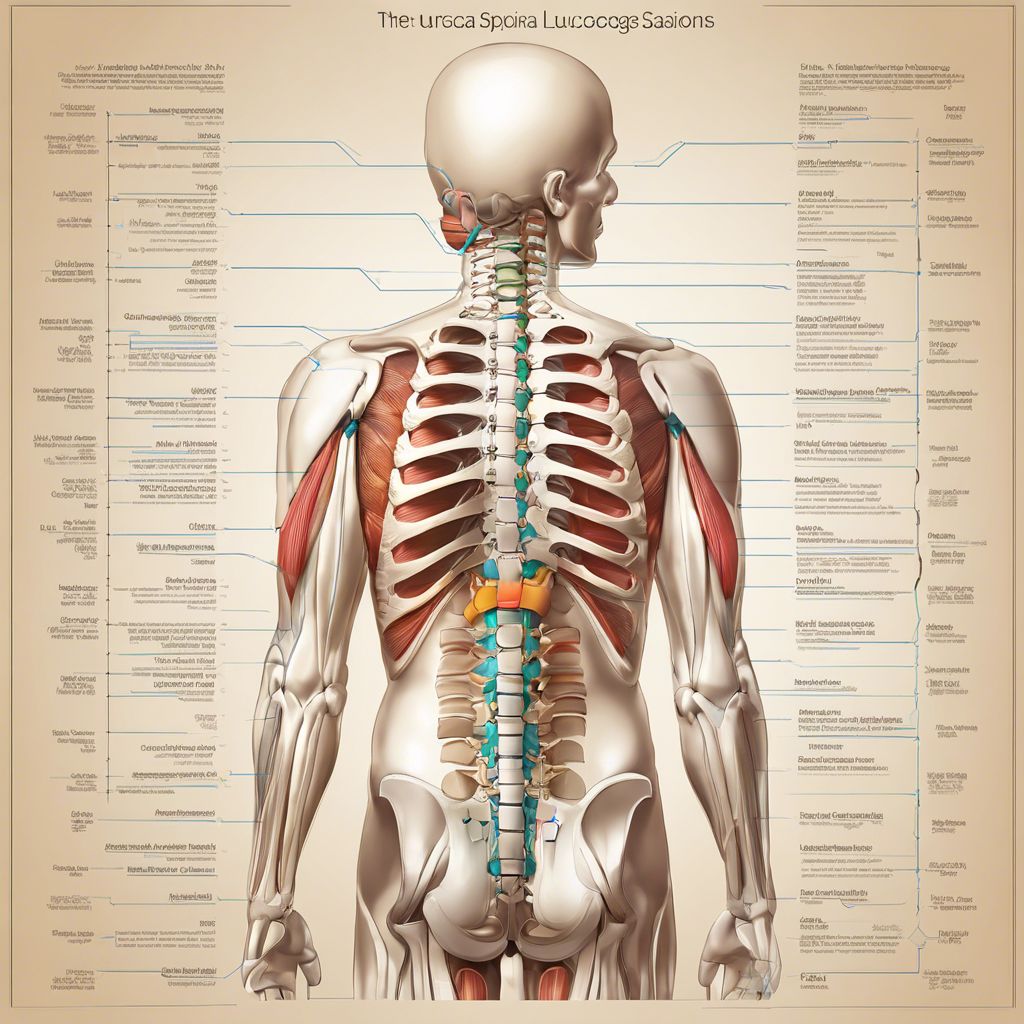
The spine, also known as the vertebral column, is a crucial part of the human skeleton. It plays a vital role in overall body function and health. Composed of 33 vertebrae, the spine supports the body, protects the spinal cord, and enables movement. This article will explore the various benefits of the spine and its essential functions.
1. Structure of the Spine
The spine is divided into five regions, each with a specific number of vertebrae:
a. Cervical Region
The cervical spine consists of seven vertebrae (C1-C7) located in the neck. It supports the head and allows for a range of movements, including rotation and flexion.
b. Thoracic Region
The thoracic spine consists of twelve vertebrae (T1-T12) and is connected to the ribs. It provides stability and protects the organs in the chest cavity.
c. Lumbar Region
The lumbar spine consists of five vertebrae (L1-L5) in the lower back. This region bears the majority of the body’s weight and allows for flexibility and movement.
d. Sacral Region
The sacral spine is made up of five fused vertebrae (S1-S5) that form the back of the pelvis. It supports the weight of the upper body when sitting and standing.
e. Coccygeal Region
The coccygeal spine consists of four fused vertebrae that form the tailbone. It serves as an attachment point for ligaments and muscles.
2. Functions of the Spine
a. Support and Stability
The spine provides structural support for the body, allowing us to stand upright and maintain proper posture. It helps distribute weight evenly across the body, reducing the risk of injury.
b. Protection of the Spinal Cord
The spinal cord, which runs through the vertebral column, is a critical part of the central nervous system. The spine protects the spinal cord from injury, ensuring that signals between the brain and the body can be transmitted effectively.
c. Flexibility and Movement
The spine allows for a wide range of motion, enabling activities such as bending, twisting, and lifting. The intervertebral discs between the vertebrae act as shock absorbers, permitting flexibility while maintaining stability.
d. Absorption of Shock
The spine absorbs shock during movement, helping to protect the brain and spinal cord from impact. This function is particularly important during activities such as running or jumping.
e. Role in Posture
A healthy spine is essential for maintaining good posture. Proper alignment of the spine reduces strain on muscles and ligaments, preventing discomfort and long-term damage.
3. Importance of Spine Health
Maintaining a healthy spine is crucial for overall well-being. Poor posture, lack of exercise, and injuries can lead to spinal problems such as herniated discs, scoliosis, and chronic pain. To promote spine health, consider the following tips:
a. Exercise Regularly
Engaging in regular physical activity strengthens the muscles that support the spine, promoting better posture and flexibility.
b. Maintain a Healthy Weight
Excess body weight can strain the spine, leading to discomfort and potential injury. Maintaining a healthy weight supports spinal health.
c. Practice Good Posture
Being mindful of posture while sitting, standing, and lifting can prevent strain on the spine and reduce the risk of injury.
d. Seek Professional Help
If experiencing persistent back pain or discomfort, consult a healthcare professional for assessment and treatment.
Conclusion
The spine is a vital component of the human body, providing support, protection, flexibility, and stability. Understanding its functions and benefits can help individuals prioritize spine health and take proactive steps to maintain it. A healthy spine contributes significantly to overall well-being and quality of life.
Sources
1. American Academy of Orthopaedic Surgeons
2. National Institute of Neurological Disorders and Stroke
3. Journal of Spinal Disorders & Techniques
4. Spine Health
“Understanding the Ear: Anatomy and Functions of Its Components”
Title: The Anatomy of the Ear: Components and Functions
Introduction
The ear is a remarkable organ responsible for two primary functions: hearing and balance. It is a complex structure made up of three main sections: the outer ear, the middle ear, and the inner ear. Each part has distinct components that work together to facilitate these functions. This article will outline the anatomy of the ear, detailing its components and their respective roles.
1. Outer Ear
The outer ear is the first part of the ear that captures sound waves and consists of two main components: the pinna and the ear canal.
a. Pinna
The pinna, also known as the auricle, is the visible part of the ear that is located on the outside of the head. Its unique shape helps to funnel sound waves into the ear canal. The pinna is made of cartilage and is covered by skin.
b. Ear Canal
The ear canal is a tubular structure that extends from the pinna to the eardrum. It is approximately 2.5 centimeters long and serves to direct sound waves toward the eardrum. The ear canal also contains glands that produce earwax (cerumen), which helps protect the inner ear from dust, debris, and microorganisms.
2. Middle Ear
The middle ear is an air-filled cavity located between the eardrum and the inner ear. It contains three small bones known as the ossicles, which are essential for hearing.
a. Eardrum
The eardrum, or tympanic membrane, is a thin membrane that vibrates when sound waves hit it. These vibrations are transmitted to the ossicles.
b. Ossicles
The ossicles consist of three tiny bones: the malleus (hammer), incus (anvil), and stapes (stirrup). These bones amplify and transfer the vibrations from the eardrum to the inner ear. The stapes connects to the oval window, a membrane-covered opening that leads to the inner ear.
c. Eustachian Tube
The Eustachian tube connects the middle ear to the back of the throat. It helps equalize pressure in the middle ear with atmospheric pressure, which is essential for proper hearing.
3. Inner Ear
The inner ear is a complex structure responsible for both hearing and balance. It contains the cochlea, vestibule, and semicircular canals.
a. Cochlea
The cochlea is a spiral-shaped organ that converts sound vibrations into electrical signals. It is filled with fluid and lined with hair cells that detect sound waves. When fluid moves within the cochlea, it causes the hair cells to bend, generating nerve impulses that are sent to the brain via the auditory nerve.
b. Vestibule
The vestibule is the central part of the inner ear that plays a crucial role in maintaining balance. It contains structures called otoliths that respond to changes in head position and movement.
c. Semicircular Canals
The semicircular canals are three fluid-filled tubes positioned at right angles to each other. They help detect rotational movements of the head and contribute to the sense of balance.
Conclusion
The ear is a complex organ composed of various structures that work together to enable hearing and balance. Understanding the anatomy of the ear not only highlights its intricate design but also emphasizes the importance of maintaining ear health. Damage to any part of the ear can lead to hearing loss or balance disorders, making awareness and care essential for overall well-being.
Sources
1. American Academy of Otolaryngology
2. National Institute on Deafness and Other Communication Disorders
3. Journal of Anatomy
4. Gray’s Anatomy for Students
“The Essential Benefits of Mucus: Protecting and Supporting Our Body”
Title: The Benefits of Mucus: An Essential Protector for the Body
Introduction
Mucus is often seen as an unpleasant substance, but it plays a crucial role in maintaining health and protecting the body. Produced by mucous membranes throughout the body, mucus serves several important functions that contribute to overall well-being. This article explores the various benefits of mucus, its composition, and its significance in bodily functions.
1. Composition of Mucus
Mucus is a viscous fluid primarily composed of water, mucins (glycoproteins), electrolytes, and antimicrobial substances. Its unique composition allows it to perform a variety of protective functions.
a. Water
The majority of mucus is water, which helps keep tissues hydrated and facilitates the transport of nutrients and waste.
b. Mucins
Mucins are large glycoproteins responsible for the gel-like consistency of mucus, providing its protective and lubricating properties.
c. Antimicrobial Compounds
Mucus contains various antimicrobial agents, including enzymes and antibodies, which help to prevent infections by neutralizing harmful pathogens.
2. Benefits of Mucus
a. Protection of Mucous Membranes
Mucus acts as a protective barrier for mucous membranes in the respiratory, digestive, and reproductive tracts. It helps to trap dust, pathogens, and other foreign particles, preventing them from entering the body and causing harm.
b. Lubrication
Mucus provides lubrication to various body systems, such as the respiratory tract and digestive tract. This lubrication facilitates the smooth passage of food and aids in breathing by ensuring that airways remain open and moist.
c. Immune Defense
The antimicrobial properties of mucus play a vital role in the immune system. Mucus traps bacteria and viruses, preventing them from entering the bloodstream. Additionally, it contains immunoglobulins that help to neutralize pathogens.
d. Moisture Retention
Mucus helps maintain moisture levels in the tissues it covers, preventing dryness and irritation. This is particularly important in the respiratory system, where dry air can lead to discomfort and increased susceptibility to infections.
e. Role in Digestion
In the digestive system, mucus helps protect the lining of the stomach and intestines from harsh digestive acids and enzymes. It also aids in the smooth movement of food through the gastrointestinal tract.
3. Mucus and Health Conditions
While mucus serves essential functions, excessive mucus production or changes in its consistency can indicate underlying health issues. Conditions such as allergies, infections, and chronic respiratory diseases can lead to increased mucus production, while dehydration may cause mucus to become thick and sticky.
4. Maintaining Healthy Mucus Production
To support healthy mucus production, consider the following tips:
a. Stay Hydrated
Drinking plenty of water helps keep mucus thin and prevents dehydration, which can lead to thick mucus.
b. Avoid Irritants
Limit exposure to smoke, pollution, and allergens, as these can irritate the mucous membranes and lead to excessive mucus production.
c. Balanced Diet
Eating a diet rich in vitamins and minerals supports overall health, including the health of mucous membranes.
d. Manage Allergies
Properly managing allergies with medication and avoiding triggers can help reduce excessive mucus production.
Conclusion
Mucus is a vital substance that provides numerous benefits, from protecting mucous membranes to aiding in digestion and immune defense. Understanding the importance of mucus can help individuals appreciate its role in maintaining health and take steps to support its proper function. By nurturing healthy mucus production, we can enhance our body’s natural defenses and overall well-being.
Sources
1. Journal of Allergy and Clinical Immunology
2. Respiratory Medicine
3. Gastroenterology Clinics of North America
4. American Journal of Physiology
 What is Under my Skin