Title: How to Overcome Insomnia: Steps to Restful Sleep
Insomnia can be a frustrating condition that affects many people at some point in their lives. It can lead to fatigue, irritability, and difficulty concentrating. Fortunately, there are several effective strategies you can implement to overcome insomnia and enjoy a better night’s sleep. Here are some steps to help you:
1. **Establish a Sleep Schedule**:
Try to go to bed and wake up at the same time every day, even on weekends. This consistency helps regulate your body’s internal clock, making it easier to fall asleep and wake up.
2. **Create a Relaxing Bedtime Routine**:
Engage in calming activities before bed, such as reading, listening to soothing music, or practicing relaxation exercises. Avoid stimulating activities that may keep your mind active.
3. **Limit Screen Time**:
Reduce exposure to screens (phones, tablets, computers, and TVs) at least an hour before bedtime. The blue light emitted by these devices can interfere with melatonin production and disrupt your sleep cycle.
4. **Make Your Sleep Environment Comfortable**:
Ensure your bedroom is conducive to sleep. Keep it cool, dark, and quiet. Invest in a comfortable mattress and pillows, and consider using blackout curtains or white noise machines if necessary.
5. **Watch Your Diet**:
Be mindful of what you eat and drink before bed. Avoid large meals, caffeine, and alcohol close to bedtime, as they can disrupt sleep. Instead, consider light snacks if you’re hungry.
6. **Stay Active During the Day**:
Regular physical activity can help you fall asleep faster and enjoy deeper sleep. Aim for at least 30 minutes of moderate exercise on most days, but try to finish your workout a few hours before bedtime.
7. **Manage Stress and Anxiety**:
Practice stress-reduction techniques, such as mindfulness, meditation, or yoga. Addressing your worries during the day can prevent them from keeping you awake at night.
8. **Limit Naps**:
If you find it difficult to sleep at night, try to limit daytime naps or keep them short (20-30 minutes). Long or irregular napping can interfere with nighttime sleep.
9. **Seek Professional Help**:
If insomnia persists despite trying these strategies, consider consulting a healthcare professional. They can help identify any underlying issues and provide tailored treatment options.
By incorporating these steps into your daily routine, you can significantly improve your chances of overcoming insomnia and achieving restorative sleep. Remember, consistency is key, and it may take time to see results.
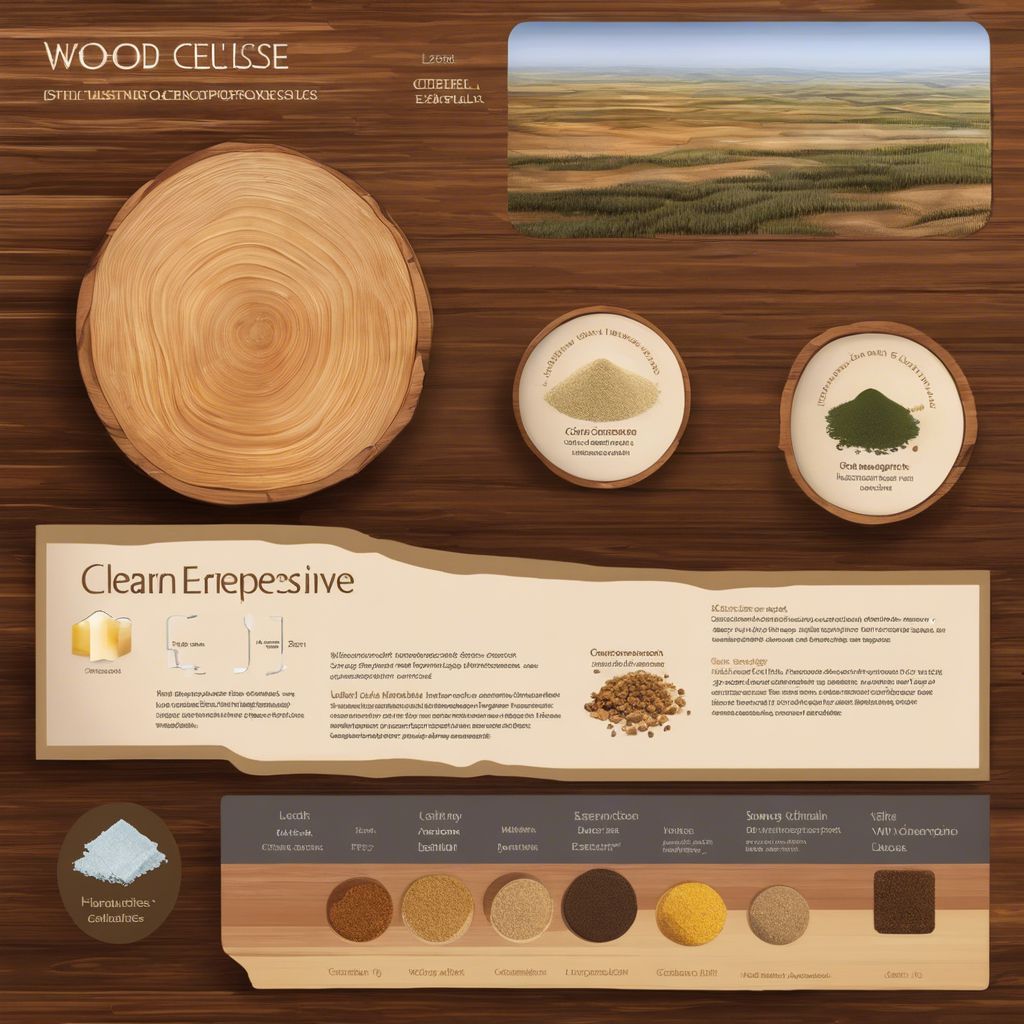
“Exploring the Anatomy of Wood: Key Components and Their Functions”
Title: The Composition of Wood: Understanding What Wood is Made Of
Introduction
Wood is a natural material that has been used for centuries in construction, furniture making, and various other applications. Understanding the composition of wood can help us appreciate its properties and uses. This article explores the key components that make up wood.
1. Cellulose
Cellulose is the primary component of wood, making up about 40-50% of its composition. It is a complex carbohydrate that provides structural support to the plant. Cellulose fibers are long and strong, giving wood its rigidity and strength.
2. Hemicellulose
Hemicellulose is another significant component of wood, accounting for about 15-35% of its composition. Unlike cellulose, hemicellulose is a shorter and more branched molecule. It serves as a filler between cellulose fibers, contributing to the overall structure and stability of the wood.
3. Lignin
Lignin is a complex organic polymer that makes up about 15-30% of wood. It acts as a binding agent, holding cellulose fibers together and providing additional strength and resistance to decay. Lignin also contributes to the rigidity of wood and helps protect it from environmental factors.
4. Extractives
Extractives are a group of organic compounds found in wood, making up about 2-10% of its composition. These compounds include resins, essential oils, tannins, and pigments. Extractives can affect the color, odor, and durability of wood. They also play a role in the wood’s resistance to pests and decay.
5. Moisture Content
Wood naturally contains moisture, which can vary significantly depending on the species and environmental conditions. Freshly cut wood (green wood) can have a moisture content of 30% or more, while seasoned wood (dried wood) typically has a moisture content of 6-12%. The moisture content affects the weight, strength, and dimensional stability of wood.
6. Minerals
Wood also contains small amounts of minerals, which can influence its properties. These minerals come from the soil in which the tree grows and can include elements like calcium, potassium, and magnesium. Although present in minor quantities, they can impact the wood’s density and color.
7. Wood Species Variations
Different wood species have varying compositions, which affects their physical and mechanical properties. Hardwoods, such as oak and maple, tend to have higher densities and strength compared to softwoods like pine and spruce. Understanding the species’ composition helps in selecting the right type of wood for specific applications.
Conclusion
Wood is a complex material composed of cellulose, hemicellulose, lignin, extractives, moisture, and minerals. Each of these components contributes to the unique properties of wood, making it a versatile and valuable resource. Understanding the composition of wood can help in selecting the appropriate type for construction, furniture, and other uses, ensuring durability and performance.
“Unlocking the Power of Vegetables: Understanding Their Nutritional Composition”
Title: The Composition of Vegetables: Understanding What They Are Made Of
Introduction
Vegetables are an essential component of a balanced diet, providing a wide array of nutrients that contribute to overall health. Understanding the composition of vegetables can help us appreciate their role in our diet and how they benefit our bodies. This article explores the key components that make up vegetables.
1. Water Content
One of the primary components of vegetables is water. Most vegetables have high water content, often ranging from 70% to 95%. This high water content not only helps keep vegetables fresh but also aids in hydration and digestion, making them an excellent choice for maintaining overall health.
2. Carbohydrates
Vegetables are a source of carbohydrates, primarily in the form of dietary fiber and natural sugars. Fiber is essential for digestive health, helping to regulate bowel movements and prevent constipation. It also contributes to the feeling of fullness, aiding in weight management.
3. Vitamins
Vegetables are rich in vitamins, which are organic compounds necessary for various bodily functions. Some key vitamins found in vegetables include:
– Vitamin A: Important for vision, immune function, and skin health, found in carrots, sweet potatoes, and spinach.
– Vitamin C: An antioxidant that supports the immune system and skin health, found in peppers, broccoli, and tomatoes.
– B Vitamins: Essential for energy production and brain health, found in leafy greens, legumes, and root vegetables.
4. Minerals
Vegetables also provide essential minerals that play crucial roles in the body. Key minerals found in vegetables include:
– Potassium: Important for maintaining healthy blood pressure and heart function, found in potatoes, spinach, and bananas.
– Magnesium: Supports muscle and nerve function, found in leafy greens, avocados, and beans.
– Iron: Essential for oxygen transport in the blood, found in spinach, kale, and legumes.
5. Antioxidants
Many vegetables are rich in antioxidants, which help protect the body from oxidative stress and inflammation. Antioxidants can reduce the risk of chronic diseases, such as heart disease and cancer. Colorful vegetables like bell peppers, carrots, and purple cabbage are particularly high in antioxidants.
6. Phytochemicals
Vegetables contain various phytochemicals, which are natural compounds that provide health benefits. These include flavonoids, carotenoids, and glucosinolates. Phytochemicals can enhance immune function, reduce inflammation, and support overall health.
7. Low in Calories
Most vegetables are low in calories, making them an excellent food choice for maintaining a healthy weight. The high fiber and water content contribute to a feeling of fullness without adding excessive calories to the diet.
Conclusion
Vegetables are composed of a variety of essential components, including water, carbohydrates, vitamins, minerals, antioxidants, and phytochemicals. Their nutrient-rich profile makes them vital for maintaining health and preventing chronic diseases. Incorporating a diverse range of vegetables into your diet can enhance your overall well-being and contribute to a balanced lifestyle.
“Fruitful Benefits: Embracing the Power of Fruits for a Healthier Life”
Title: The Benefits of Eating Fruits: A Step-by-Step Guide
Introduction
Fruits are not only delicious but also packed with essential nutrients that contribute to overall health. Incorporating a variety of fruits into your diet can provide numerous benefits. This article outlines the advantages of eating fruits and how to include them in your daily meals.
1. Nutrient-Rich
Fruits are rich in vitamins, minerals, and antioxidants. They provide essential nutrients such as vitamin C, potassium, and dietary fiber. These nutrients help support the immune system, maintain healthy blood pressure, and promote digestive health.
2. Hydration
Many fruits have high water content, which helps keep the body hydrated. Staying hydrated is crucial for maintaining energy levels, regulating body temperature, and supporting overall bodily functions. Fruits like watermelon, oranges, and strawberries are excellent choices for hydration.
3. Weight Management
Incorporating fruits into your diet can aid in weight management. Fruits are typically low in calories and high in fiber, which helps you feel full and satisfied. Choosing fruits as snacks instead of high-calorie processed foods can contribute to healthier eating habits.
4. Natural Sweeteners
Fruits can serve as a natural alternative to sugary snacks and desserts. Instead of reaching for candies or pastries, opt for fresh fruit or fruit-based desserts like smoothies or fruit salads. This way, you satisfy your sweet cravings while benefiting from the nutrients in fruits.
5. Variety of Flavors
Fruits come in a wide range of flavors, colors, and textures, making them enjoyable to eat. Experimenting with different fruits can add excitement to your meals. Try seasonal fruits, tropical fruits, or local varieties to keep your diet interesting and diverse.
6. Easy to Prepare
Fruits are convenient and easy to prepare. Most fruits can be eaten raw without any cooking required. Simply wash, peel if necessary, and enjoy. You can also add fruits to salads, smoothies, yogurt, and oatmeal for a nutritious boost.
7. Supports Healthy Skin
The vitamins and antioxidants found in fruits can promote healthy skin. Vitamin C, for example, is essential for collagen production, which helps maintain skin elasticity. Regular consumption of fruits can contribute to a radiant complexion and overall skin health.
8. Strengthens the Immune System
Fruits, particularly citrus fruits like oranges and grapefruits, are known for their immune-boosting properties. The high vitamin C content helps strengthen the immune system, making the body more resilient to infections and illnesses.
Conclusion
Incorporating a variety of fruits into your diet is a simple and delicious way to enhance your overall health. With their nutrient-rich profiles, hydrating properties, and natural sweetness, fruits offer numerous benefits that can improve your well-being. Start enjoying the vibrant flavors and health advantages of fruits today!
“From Sand to Shine: The Art and Science of Glass Making”
Title: How Glass is Made: A Step-by-Step Process
Introduction
Glass is a versatile material used in various applications, from windows and bottles to art pieces and electronics. Understanding how glass is made can provide insight into its properties and uses. This article outlines the process of glass manufacturing in simple steps.
1. Gather Raw Materials
The primary ingredients for making glass are silica sand, soda ash, and limestone. Silica sand provides the main component of glass, while soda ash lowers the melting point. Limestone adds stability and durability to the final product.
2. Mix the Ingredients
Once the raw materials are gathered, they are mixed in specific proportions. The typical ratio is about 70-75% silica sand, 12-15% soda ash, and 10-15% limestone. This mixture is known as batch.
3. Melt the Batch
The batch is then heated in a furnace at extremely high temperatures, typically around 1,700 degrees Celsius (3,092 degrees Fahrenheit). This process melts the raw materials into a molten glass, which becomes a thick, viscous liquid.
4. Form the Glass
After melting, the molten glass can be shaped using various methods, depending on the desired end product. Common techniques include:
– Blowing: Air is blown into a gather of molten glass to create hollow shapes like bottles or vases.
– Molding: The glass is poured into molds to form specific shapes, such as glass containers or tiles.
– Pressing: A solid piece of glass is pressed into a mold to create flat glass items, such as panes for windows.
5. Annealing
Once the glass has been shaped, it must be cooled gradually in a process called annealing. This step is crucial to relieve internal stresses and prevent cracking. The glass is placed in an annealing lehr, where the temperature is slowly reduced.
6. Finishing Touches
After annealing, the glass may undergo additional finishing processes, such as polishing, cutting, or coating. These steps enhance the appearance and functionality of the glass product. For example, coatings can provide UV protection or improve durability.
7. Quality Control
Before the glass products are packaged and shipped, they undergo rigorous quality control checks. This process ensures that the glass meets safety standards and specifications for clarity, strength, and overall quality.
Conclusion
The process of making glass involves several intricate steps, from gathering raw materials to shaping and finishing the final product. Understanding how glass is made highlights the craftsmanship and technology behind this essential material. Whether used in everyday items or artistic creations, glass continues to play a significant role in our lives.
“Mastering Healthy Cooking: A Step-by-Step Guide to Nutritious Meals”
Title: How to Prepare Healthy Meals: A Step-by-Step Guide
Introduction
Eating healthy is essential for maintaining overall well-being and preventing chronic diseases. Preparing healthy meals at home allows you to control ingredients and portion sizes. This article outlines steps to help you create nutritious and delicious meals.
1. Plan Your Meals
Start by planning your meals for the week. Consider incorporating a variety of fruits, vegetables, whole grains, lean proteins, and healthy fats. Create a shopping list based on your meal plan to ensure you have all the necessary ingredients.
2. Choose Fresh Ingredients
Opt for fresh, seasonal ingredients whenever possible. Visit local markets or grocery stores to select high-quality produce, lean meats, fish, and whole grains. Fresh ingredients enhance the flavor and nutritional value of your meals.
3. Prepare a Balanced Plate
Aim for a balanced plate that includes:
– Half of your plate filled with vegetables and fruits.
– A quarter of your plate with lean protein sources, such as chicken, fish, beans, or tofu.
– A quarter of your plate with whole grains, such as brown rice, quinoa, or whole-grain pasta.
4. Use Healthy Cooking Methods
Choose cooking methods that preserve nutrients and flavor. Some healthy cooking techniques include:
– Steaming: Retains the nutrients in vegetables.
– Grilling: Adds flavor without extra fat.
– Baking: A healthier alternative to frying.
– Sautéing: Use a small amount of healthy oil, such as olive oil, to enhance taste.
5. Control Portion Sizes
Be mindful of portion sizes to avoid overeating. Use smaller plates and bowls to help control serving sizes. Pay attention to your hunger cues and eat slowly to allow your body to recognize when it is full.
6. Experiment with Herbs and Spices
Enhance the flavor of your meals without adding extra calories by using herbs and spices. Experiment with fresh herbs like basil, cilantro, and parsley, or spices like cumin, paprika, and turmeric to add depth and complexity to your dishes.
7. Prepare Meals in Advance
Consider batch cooking or meal prepping to save time during the week. Prepare large portions of healthy recipes and store them in the fridge or freezer for quick meals. This practice makes it easier to stick to healthy eating habits.
8. Stay Hydrated
Don’t forget to drink plenty of water throughout the day. Staying hydrated is essential for overall health and can help control hunger. Consider infusing your water with fruits or herbs for added flavor.
Conclusion
Preparing healthy meals at home is a rewarding experience that promotes better eating habits and overall health. By following these steps, you can create delicious and nutritious meals that nourish your body. Remember, the key to healthy eating is finding balance and enjoying a variety of foods.
“Portuguese Legends: Celebrating the Greatest Football Players”
Title: The Best Portuguese Football Players of All Time
Introduction
Portugal has a rich footballing tradition and has produced some of the most talented players in the history of the sport. This article highlights the careers and achievements of the best Portuguese football players who have made significant contributions to the game.
1. Eusébio
Eusébio da Silva Ferreira, often simply known as Eusébio, is one of the greatest footballers to come from Portugal. He rose to fame in the 1960s as a striker for Benfica, where he won numerous titles, including 11 Primeira Liga championships. Eusébio was known for his incredible speed, powerful shot, and goal-scoring prowess, and he won the Golden Boot as the top scorer in the 1966 World Cup.
2. Cristiano Ronaldo
Cristiano Ronaldo is arguably the most famous Portuguese footballer of all time. His career has been marked by numerous records and accolades, including multiple FIFA Ballon d’Or awards. Ronaldo has played for top clubs such as Manchester United, Real Madrid, and Juventus, achieving incredible success with each. He has also been instrumental in Portugal’s international success, leading the team to victory in the 2016 UEFA European Championship and the 2019 UEFA Nations League.
3. Luís Figo
Luís Figo is another legendary Portuguese player who made his mark in the 1990s and early 2000s. He was known for his exceptional dribbling skills and vision on the field. Figo played for top clubs, including Barcelona, Real Madrid, and Inter Milan, winning numerous domestic and international titles. He won the FIFA World Player of the Year award in 2001 and was a key figure in Portugal’s national team during his career.
4. Deco
Deco was a talented midfielder known for his creativity and playmaking ability. He had a successful club career with Porto, Barcelona, and Chelsea, winning several league titles and the UEFA Champions League. Deco was an essential part of the Portuguese national team, contributing to their run to the final of Euro 2004.
5. Rui Costa
Rui Costa was an elegant midfielder admired for his technical skills and vision. He had a successful career with Benfica and AC Milan, where he won multiple Serie A titles and the UEFA Champions League. Rui Costa was a key player for the Portuguese national team and played an essential role in their performances in international tournaments.
6. Bernardo Silva
Bernardo Silva is a modern-day Portuguese footballer who has gained recognition for his exceptional talent. He has been a crucial player for Manchester City, helping the team win multiple Premier League titles and domestic cups. Silva’s versatility, creativity, and work ethic have made him an integral part of both his club and the Portuguese national team.
Conclusion
Portugal has produced a remarkable array of football talent over the years, and the players mentioned above are just a few of the legends who have represented the nation. Their contributions to football have not only shaped their careers but have also inspired countless fans and future players. The legacy of these Portuguese icons continues to influence the world of football, showcasing the passion and skill that the sport brings to life.
“Legends of the Game: Celebrating Brazil’s Football Icons”
Title: The Best Brazilian Football Players of All Time
Introduction
Brazil is renowned for its rich football history and has produced some of the greatest players the sport has ever seen. This article explores the careers and legacies of the best Brazilian football players who have left an indelible mark on the game.
1. Pelé
Pelé, often referred to as “The King of Football,” is widely considered the greatest footballer of all time. Born Edson Arantes do Nascimento, he won three FIFA World Cups (1958, 1962, and 1970) and scored over 1,000 career goals. His exceptional dribbling, precise passing, and goal-scoring ability made him a global icon.
2. Zico
Zico, also known as the “White Pelé,” was a phenomenal attacking midfielder. He was famous for his incredible free-kick ability and vision on the pitch. Zico had a successful club career with Flamengo and was instrumental in Brazil’s performance in the 1982 World Cup, where they reached the quarter-finals.
3. Romário
Romário was a prolific striker known for his clinical finishing and agility. He played a crucial role in Brazil’s triumph at the 1994 World Cup, finishing as one of the tournament’s top scorers. His club career included stints at PSV Eindhoven and Barcelona, where he left a lasting legacy.
4. Ronaldo Nazário
Ronaldo, often referred to as “O Fenômeno,” was a forward with exceptional speed and skill. He won two World Cups with Brazil (1994 and 2002) and received the FIFA World Player of the Year award twice. His ability to score from almost any position made him a nightmare for defenders.
5. Ronaldinho
Ronaldinho, known for his dazzling skills and creativity, brought joy to football fans worldwide. He won the FIFA World Player of the Year award in 2004 and 2005 and was instrumental in Barcelona’s success during his tenure. His unique style and flair made him a beloved figure in football history.
6. Cafu
Cafu is regarded as one of the best right-backs in football history. He is the only player to have appeared in three consecutive World Cup finals (1994, 1998, and 2002), winning two of them. Cafu’s leadership, stamina, and defensive skills were vital to Brazil’s success during his career.
Conclusion
Brazil has produced a plethora of football talent over the years, and the players mentioned above are just a few of the legends who have graced the sport. Their contributions to football have not only defined their careers but have also inspired generations of players and fans around the world. The legacy of these Brazilian icons continues to live on, reminding us of the beauty and passion that football brings to life.
“Icons of Scoring: The Greatest Goal Scorers in FC Barcelona History”
Title: The Elite Goal Scorers of FC Barcelona: A Legacy of Brilliance
Introduction
FC Barcelona, one of the most celebrated football clubs in the world, has a rich history filled with exceptional talent and remarkable achievements. Among its many accolades, the club is known for producing some of the greatest goal scorers in football history. This article explores the top goal scorers of FC Barcelona, highlighting their contributions and legacies.
Step 1: Lionel Messi
Lionel Messi is undoubtedly the most prolific goal scorer in FC Barcelona’s history. Joining the club’s youth academy, La Masia, Messi made his first-team debut in 2004 and quickly became a dominant force in football. Over his 17 years with Barcelona, he scored an astonishing 672 goals in 778 appearances, making him not only the club’s all-time leading scorer but also one of the greatest players of all time. His incredible dribbling, vision, and finishing ability helped Barcelona secure numerous titles, including four UEFA Champions League trophies.
Step 2: Cesar Rodriguez
Cesar Rodriguez was a legendary forward for FC Barcelona during the 1940s and 1950s. He scored 232 goals in 354 appearances, making him one of the club’s top scorers for many years. Known for his sharp instincts and excellent positioning, Cesar played a crucial role in the team’s success during his time, winning multiple domestic titles and contributing significantly to Barcelona’s attacking prowess.
Step 3: Ladislao Kubala
Ladislao Kubala was a key figure in FC Barcelona’s history, known for his versatility and skill on the ball. Joining the club in 1950, he scored 194 goals in 256 appearances. Kubala was instrumental in popularizing the club during the 1950s, bringing flair and creativity to the team’s play. His contributions helped Barcelona establish itself as a dominant force in Spanish football.
Step 4: Samuel Eto’o
Samuel Eto’o was a vital player for FC Barcelona during his time at the club from 2004 to 2009. The Cameroonian striker scored 130 goals in 199 appearances, showcasing his pace, strength, and clinical finishing ability. Eto’o was instrumental in Barcelona’s success during this period, helping the team secure two UEFA Champions League titles and multiple domestic trophies.
Step 5: Ronaldinho
Although primarily known for his dazzling skills and creativity, Ronaldinho also made significant contributions to FC Barcelona’s goal-scoring during his tenure from 2003 to 2008. He scored 94 goals in 207 appearances and played a crucial role in reviving the club’s fortunes. His flair and ability to create scoring opportunities for himself and others made him a beloved figure at Barcelona.
Conclusion
FC Barcelona’s legacy is defined by its elite goal scorers, who have left an indelible mark on the club’s history. From the extraordinary feats of Lionel Messi to the contributions of legends like Cesar Rodriguez, Ladislao Kubala, Samuel Eto’o, and Ronaldinho, these players have shaped the club’s identity and success. Their impact goes beyond statistics, inspiring generations of fans and aspiring footballers worldwide. As Barcelona continues to build its future, the legacy of its greatest goal scorers will always be celebrated.
“Legends of the Pitch: The Greatest Goal Scorers in Real Madrid History”
Title: The Greatest Goal Scorers of Real Madrid: A Legacy of Excellence
Introduction
Real Madrid, one of the most prestigious football clubs in the world, has a rich history filled with exceptional talent and remarkable achievements. Among its many accolades, the club is known for producing some of the greatest goal scorers in football history. This article explores the top goal scorers of Real Madrid, highlighting their contributions and legacies.
Step 1: Cristiano Ronaldo
Cristiano Ronaldo is undoubtedly the most prolific goal scorer in Real Madrid’s history. Joining the club in 2009, he quickly established himself as a dominant force on the pitch. During his nine-year tenure, Ronaldo scored an astonishing 450 goals in 438 appearances, averaging more than a goal per game. His remarkable skill, powerful shots, and incredible heading ability helped Real Madrid secure numerous titles, including four UEFA Champions League trophies.
Step 2: Raul Gonzalez
Raul Gonzalez, a legendary figure at Real Madrid, was the club’s all-time leading scorer until Ronaldo surpassed him. Raul spent 16 years at the club, from 1994 to 2010, and scored 323 goals in 741 appearances. Known for his intelligence, positioning, and technique, Raul played a crucial role in the team’s success during the late 1990s and early 2000s, winning multiple domestic and international titles.
Step 3: Alfredo Di Stefano
Alfredo Di Stefano is one of the most iconic players in Real Madrid’s history. Joining the club in 1953, he became a key figure in the team’s dominance in the European Cup during the 1950s. Di Stefano scored 308 goals in 396 appearances and was known for his versatility, playing as a forward and midfielder. His leadership and exceptional skill set the foundation for Real Madrid’s legacy as a football powerhouse.
Step 4: Karim Benzema
Karim Benzema, an integral part of Real Madrid’s attack in recent years, has established himself as one of the club’s greatest goal scorers. Since joining in 2009, Benzema has consistently delivered impressive performances, scoring over 300 goals for the club. His ability to create opportunities for himself and his teammates, combined with his finishing prowess, has made him a vital player for Real Madrid, especially during their recent successes.
Conclusion
Real Madrid’s history is adorned with the achievements of its greatest goal scorers. From the extraordinary feats of Cristiano Ronaldo to the legendary contributions of Raul Gonzalez and Alfredo Di Stefano, these players have left an indelible mark on the club’s legacy. Karim Benzema continues to build upon this rich tradition, proving that Real Madrid will always be a club synonymous with goal-scoring excellence. The impact of these players transcends statistics, as they have inspired generations of fans and aspiring footballers around the world.
 What is Under my Skin