### Understanding Hair Composition: A Step-by-Step Guide
Hair is a fascinating and complex structure that plays a significant role in our appearance and identity. Understanding what hair is made of can provide insights into its health and care. Here’s a step-by-step breakdown of the composition of hair.
#### Step 1: The Basic Structure of Hair
Hair is primarily composed of a protein called keratin, which is also found in nails and the outer layer of skin. Keratin is a fibrous structural protein that provides strength and resilience to hair strands. Each hair strand is made up of three main layers:
1. **Cuticle**: The outermost layer consists of overlapping, scale-like cells that protect the inner layers. The cuticle acts as a barrier to environmental damage and helps to retain moisture.
2. **Cortex**: Beneath the cuticle lies the cortex, which makes up the bulk of the hair shaft. The cortex contains long chains of keratin and is responsible for the hair’s strength, color, and texture. The arrangement of these keratin fibers can vary, affecting the hair’s overall characteristics.
3. **Medulla**: The innermost layer, the medulla, is not always present in every hair type. It consists of loosely packed cells and air spaces. The medulla’s function is not entirely understood, but it may play a role in the hair’s structure and flexibility.
#### Step 2: The Role of Melanin in Hair Color
Hair color is determined by the presence of melanin, a pigment produced by specialized cells called melanocytes located in the hair follicles. There are two types of melanin:
– **Eumelanin**: This is the most common type of melanin and comes in two varieties: black and brown. The amount and ratio of eumelanin determine the darkness of the hair.
– **Pheomelanin**: This pigment is responsible for red and yellow hues. People with lighter hair often have a higher concentration of pheomelanin.
The combination of these pigments results in a wide range of hair colors, from blonde to black and everything in between.
#### Step 3: The Hair Follicle
Hair grows from a tiny structure called the hair follicle, which is located beneath the skin’s surface. Each follicle contains a bulb that houses living cells that divide and grow to form the hair shaft. The hair follicle is also connected to sebaceous glands, which produce oil (sebum) to keep the hair moisturized and protected.
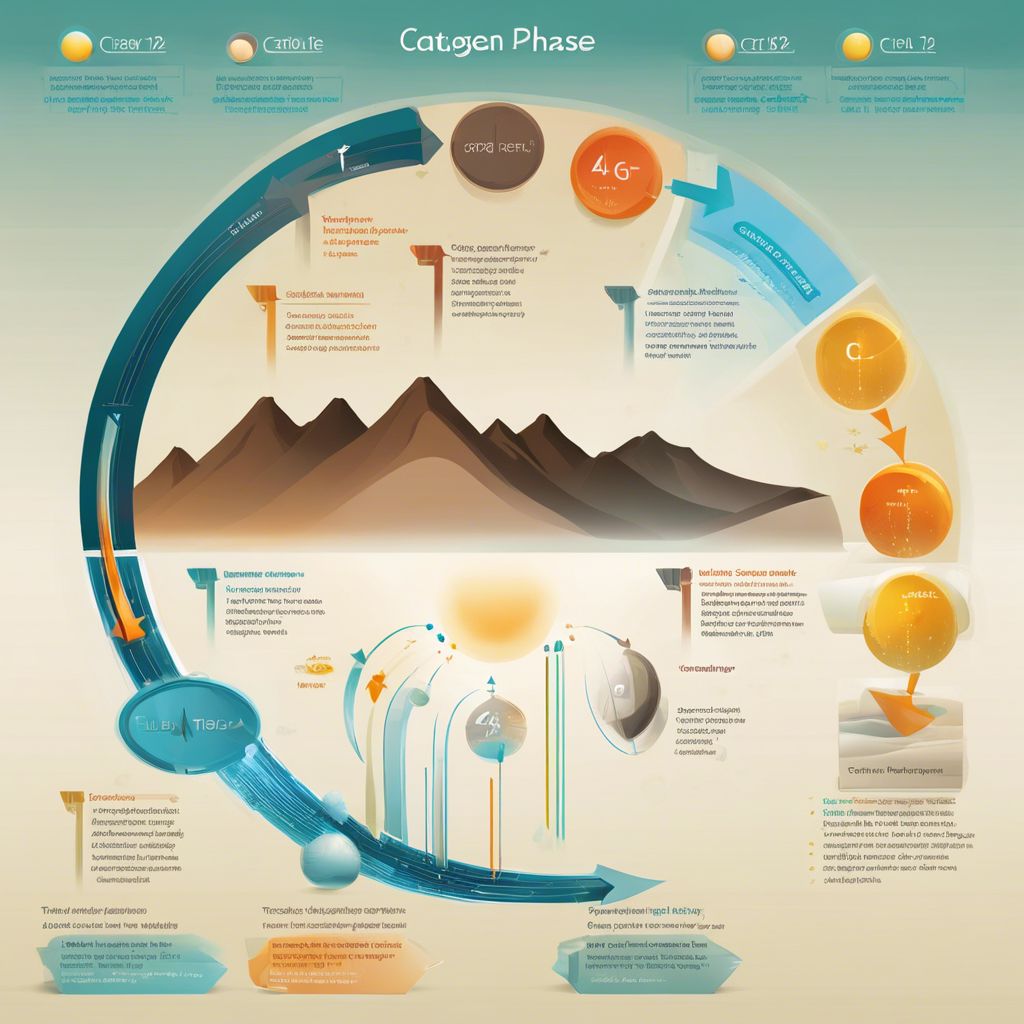
#### Step 4: The Hair Growth Cycle
Hair undergoes a continuous growth cycle, which consists of three main phases:
1. **Anagen Phase**: This is the active growth phase, during which hair grows continuously. It can last for several years, depending on genetics and individual factors.
2. **Catagen Phase**: This transitional phase lasts a few weeks, during which hair growth slows, and the hair follicle shrinks.
3. **Telogen Phase**: In this resting phase, the hair is not actively growing, and it eventually falls out, making way for new hair to grow in the follicle.
#### Conclusion
Understanding the composition of hair and its growth process is essential for maintaining healthy hair. By recognizing the role of keratin, melanin, and the hair follicle, individuals can make informed choices about hair care products and practices. Whether you’re looking to enhance your hair’s appearance or simply want to learn more about it, knowing what makes up your hair can lead to better care and healthier strands.
"Just as every strand of hair is unique, so too is the journey of self-discovery and care we embark on."

 What is Under my Skin